Starting a business in Kerala is exciting, but one of the first questions most founders ask is simple: how much does company registration actually cost? The answer is not always clear. Many entrepreneurs begin with a low advertised price, only to discover extra charges later for professional fees, government filings, DSC, DIN, PAN, TAN, GST, Startup […]
Australian SMEs do not usually get into trouble with the ATO because of one mistake. Problems build up slowly. A missed BAS deadline. Payroll that does not reconcile. Super paid late. Deductions claimed without records. Sales not matching bank deposits. These issues create patterns. The ATO looks for those patterns. For small business owners, good […]
Launching a business in Kerala requires proper legal registration to operate smoothly and build long-term credibility. Business incorporation helps entrepreneurs establish a recognised legal entity while improving compliance, operational structure, and financial protection. Many entrepreneurs across Kerala register their businesses to strengthen market trust, secure growth opportunities, and separate personal liabilities from business responsibilities. Understanding […]
Small businesses in Brisbane need more than quality products or services to succeed. Strong financial management is equally important for stability, profitability, and long-term growth. Many business owners find it difficult to keep financial records organised while also handling operations, customers, staffing, and sales. Professional bookkeeping services help reduce this pressure by maintaining accurate records, […]
Mergers and acquisitions in uncertain markets become more complex because economic instability makes it harder to judge a company’s true value. Inflation, interest rate changes, supply disruptions, or political risks can affect future earnings, so buyers are more cautious. Deals often take longer as investors conduct deeper financial, legal, and operational reviews to understand potential […]
Finance transformation refers to the process of redesigning the finance function so it supports strategy and decision-making, not just bookkeeping and reporting. It usually involves automating routine tasks, improving data quality, and moving toward integrated digital systems such as modern ERPs and analytics platforms. The goal is to reduce manual work, shorten reporting cycles, and […]
Digital assets such as cryptocurrencies create accounting challenges because most standards treat them as intangible assets rather than cash or financial instruments. This means they are usually recorded at cost and tested for impairment if their value falls. If the market price drops below the recorded value, companies must recognize a loss, but if the […]
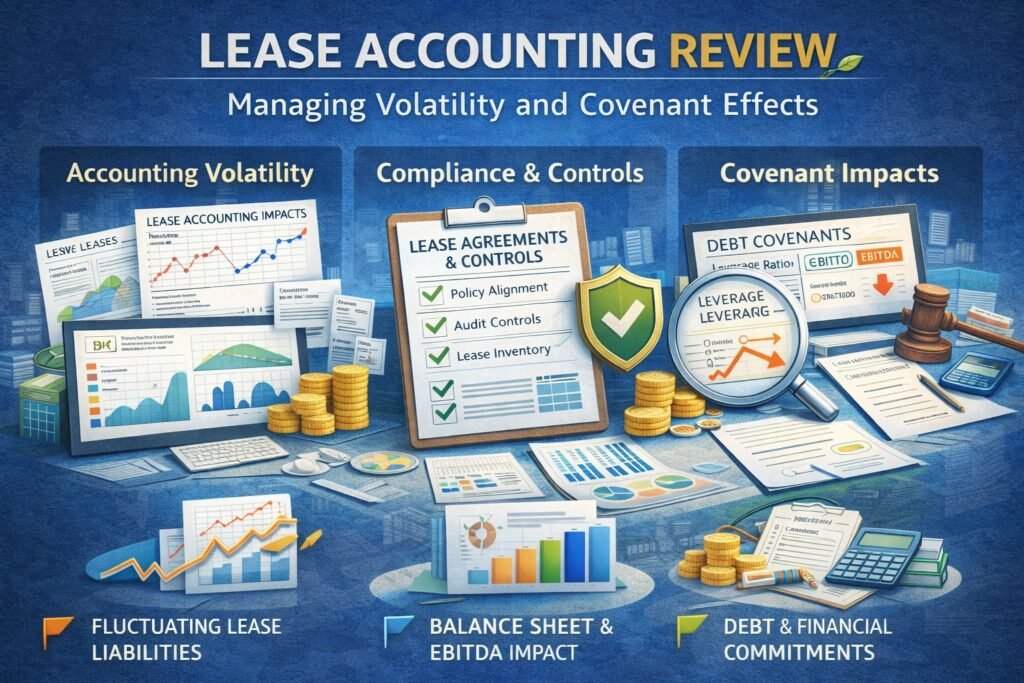
Lease accounting standards require most leases to be recorded on the balance sheet as a right-of-use asset and a lease liability. This increases reported debt and affects key financial ratios such as leverage and interest coverage. When lease terms change, discount rates move, or contracts are reassessed, the accounting values can shift, creating volatility in […]
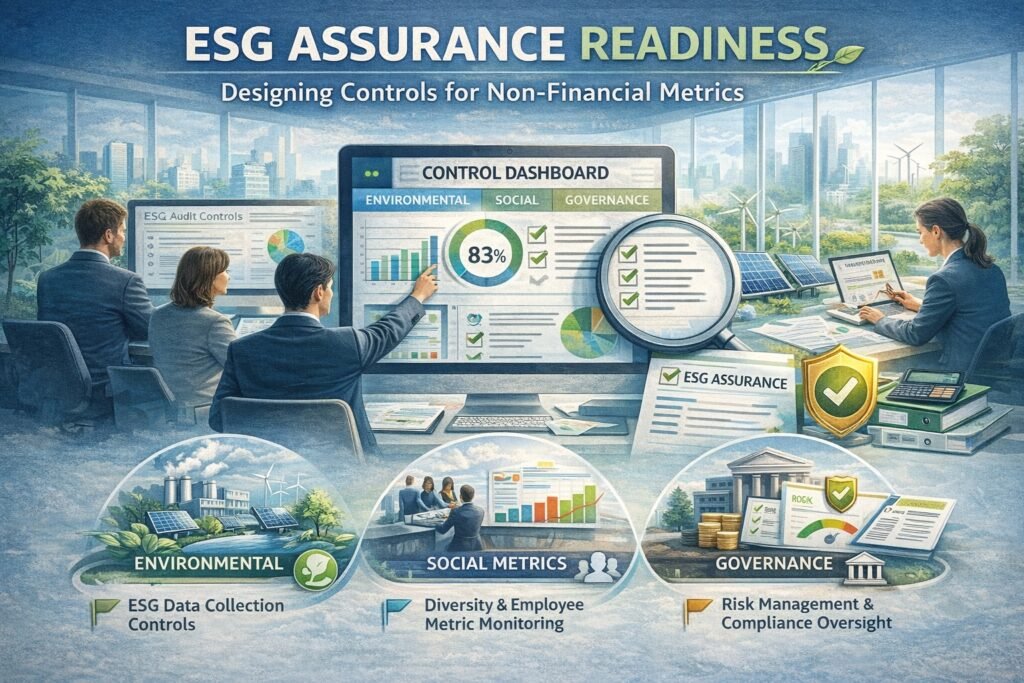
ESG assurance readiness means preparing a company’s environmental, social, and governance data so it can be independently verified, similar to a financial audit. As investors and regulators increasingly rely on ESG information, companies must ensure that non-financial metrics such as emissions, workplace safety, diversity, and supply-chain practices are accurate, consistent, and supported by evidence. Without […]
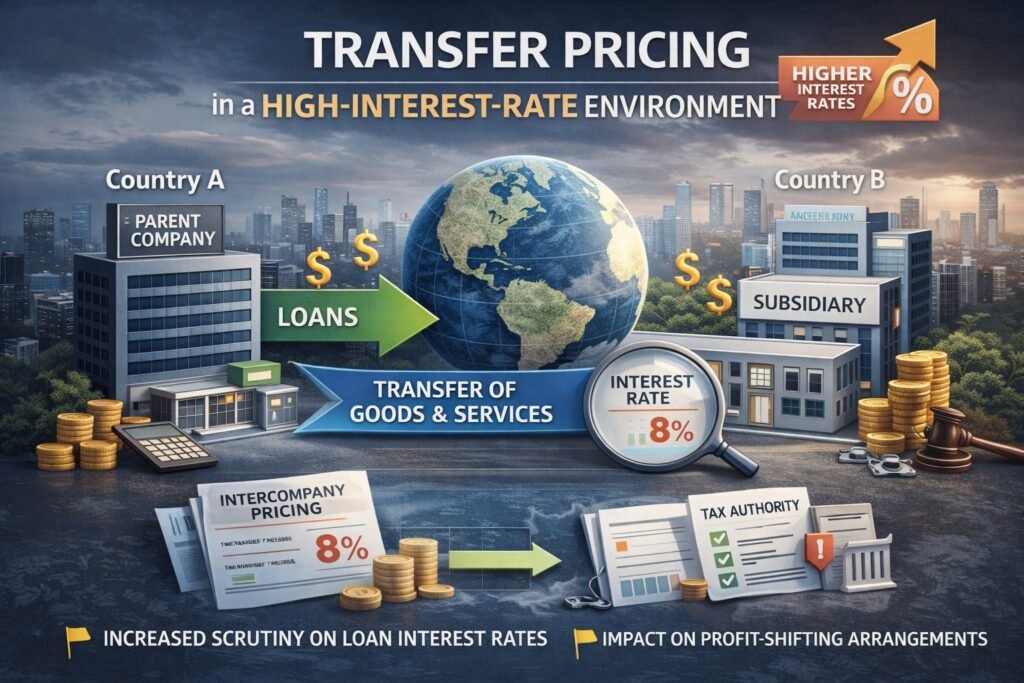
Transfer pricing refers to how multinational companies set prices for transactions between their own related entities in different countries, such as loans, services, or goods. In a high-interest-rate environment, this becomes more sensitive because financing costs rise and tax authorities expect intercompany interest rates to reflect real market conditions. If a company continues using older, […]
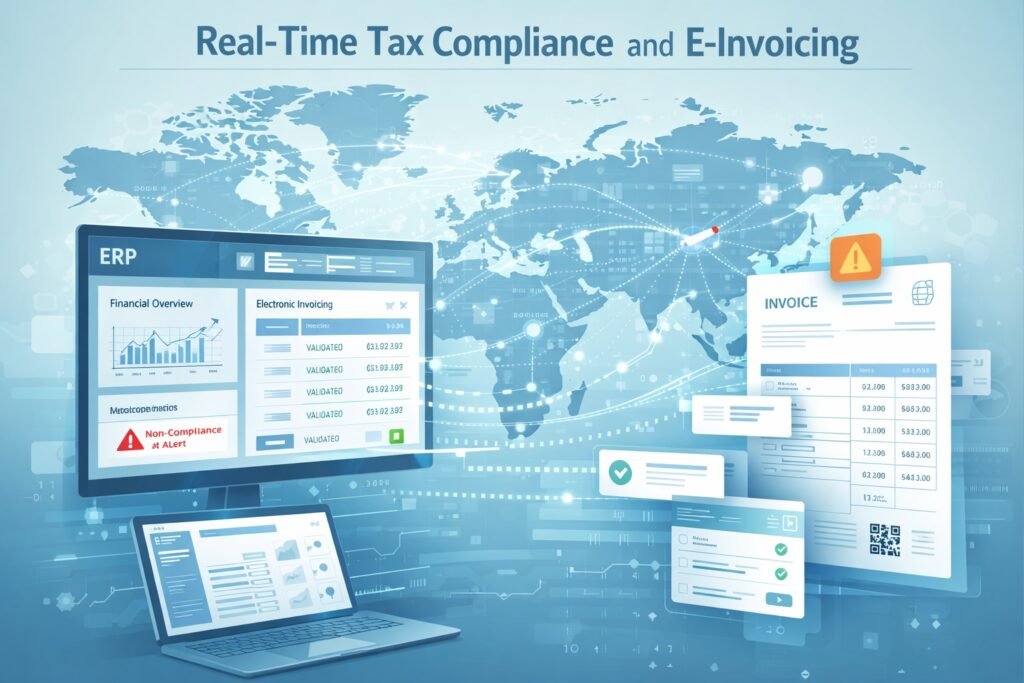
Real-time tax compliance and e-invoicing are systems where businesses report transactions to tax authorities immediately or shortly after they happen, instead of waiting for monthly or annual filings. Governments use digital invoicing platforms that require companies to issue invoices in a standard electronic format, often validated by the tax authority before or after the invoice […]
Artificial intelligence is increasingly used in finance functions to automate routine tasks and improve decision-making. Tools powered by AI can process invoices, match transactions, detect errors, and reconcile accounts much faster than manual methods. This reduces processing time, lowers costs, and allows finance teams to focus more on analysis instead of data entry. AI also […]